
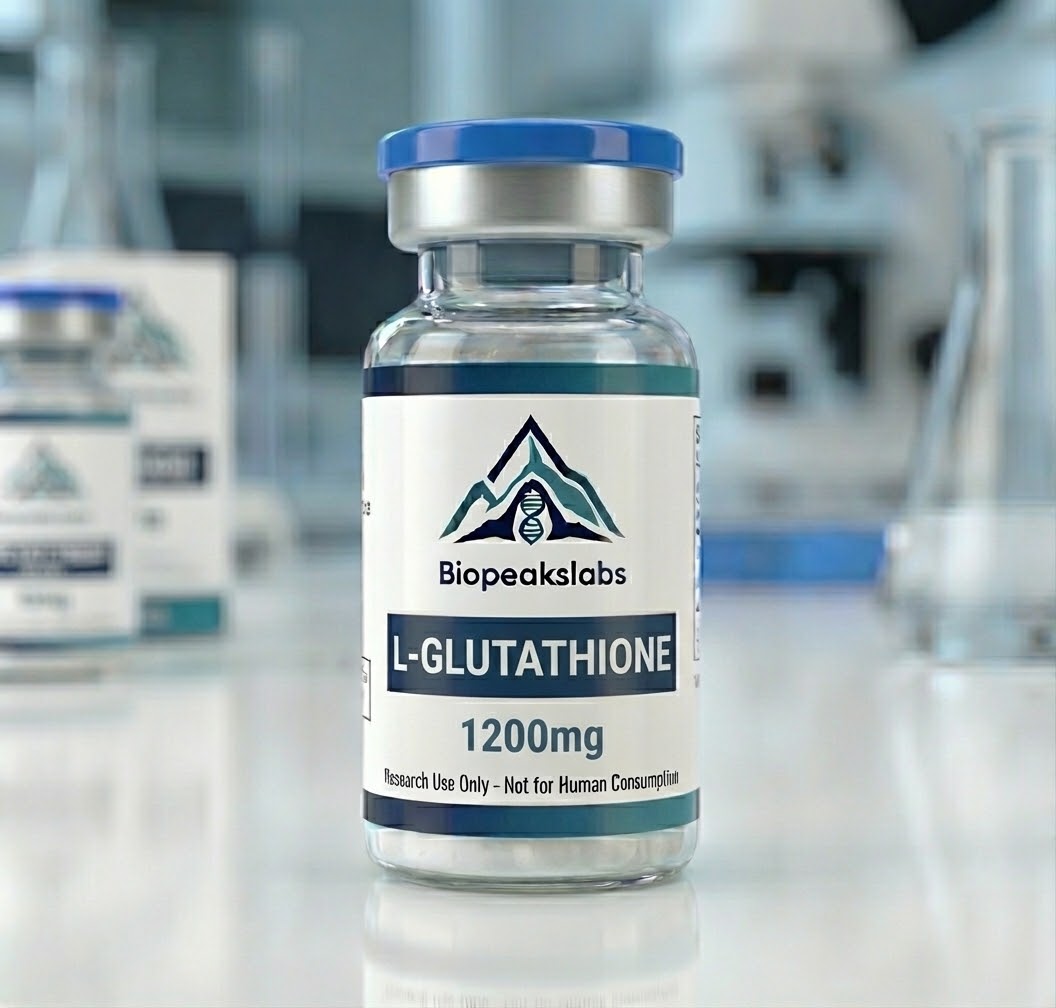
Description
Research & Mechanisms
1. Antioxidant Defense and Cellular Protection Glutathione’s primary research application is its function as a direct antioxidant. The thiol group (-SH) on its cysteine residue acts as a reducing agent, donating electrons to neutralize harmful oxidizing agents, thus protecting cellular components like lipids, proteins, and DNA from oxidative stress.
2. Detoxification Pathways Researchers investigate glutathione’s role in Phase II detoxification. It is a substrate for glutathione S-transferase (GST) enzymes, which catalyze the conjugation of glutathione to various xenobiotics, heavy metals, and metabolic byproducts, increasing their water solubility for excretion.
3. Immune Function and Inflammation Modulations Studies explore how intracellular glutathione levels influence immune responses. It is vital for the proliferation of lymphocytes and has been shown to modulate inflammatory pathways by influencing the production of cytokines and reducing oxidative-stress-mediated inflammation.

Reviews
There are no reviews yet.