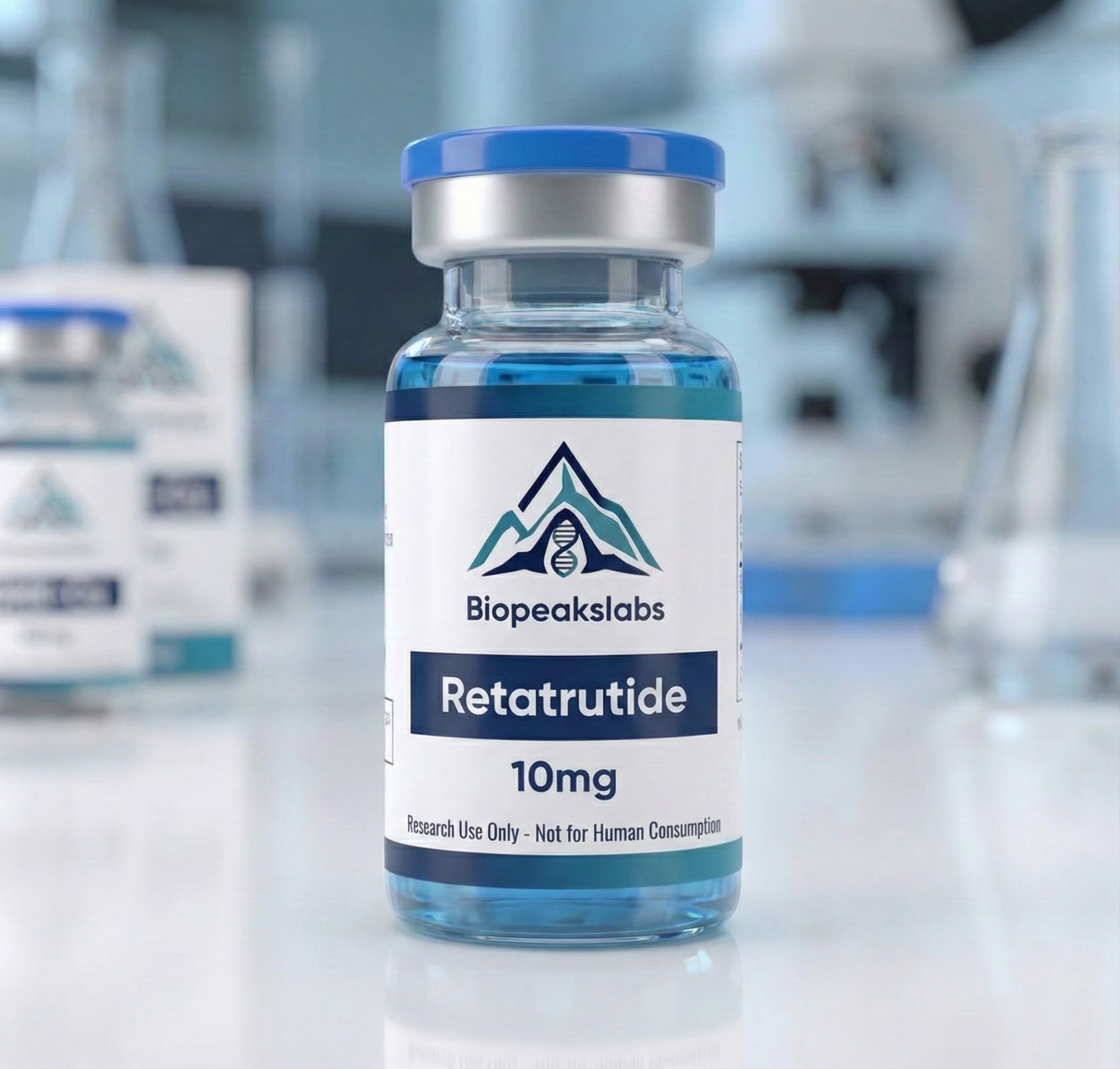
Description
Research & Mechanisms
1. Triple Synergy (GLP-1, GIP, and Glucagon) Retatrutide uniquely incorporates glucagon receptor agonism into the established GIP/GLP-1 framework. While GLP-1 and GIP primarily regulate satiety and insulin secretion, the addition of glucagon receptor activation is researched for its ability to increase energy expenditure (thermogenesis). This tri-agonist approach is hypothesized to produce superior weight reduction results in obesity models compared to previous generations.
2. Hepatic Fat Reduction A specific area of interest for Retatrutide is its impact on liver health. The glucagon component is known to stimulate hepatic lipid metabolism. Clinical and preclinical studies are monitoring the peptide’s ability to significantly reduce liver fat content, making it a key subject in research regarding Non-Alcoholic Fatty Liver Disease (NAFLD) and metabolic syndrome.
3. Glucose Control and Insulin Sensitivity Despite activating the glucagon receptor (which typically raises blood sugar), the concurrent strong activation of GLP-1 and GIP receptors results in a net improvement in glycemic control. Research demonstrates that Retatrutide can robustly lower HbA1c levels and improve insulin sensitivity in models of type 2 diabetes.

Reviews
There are no reviews yet.